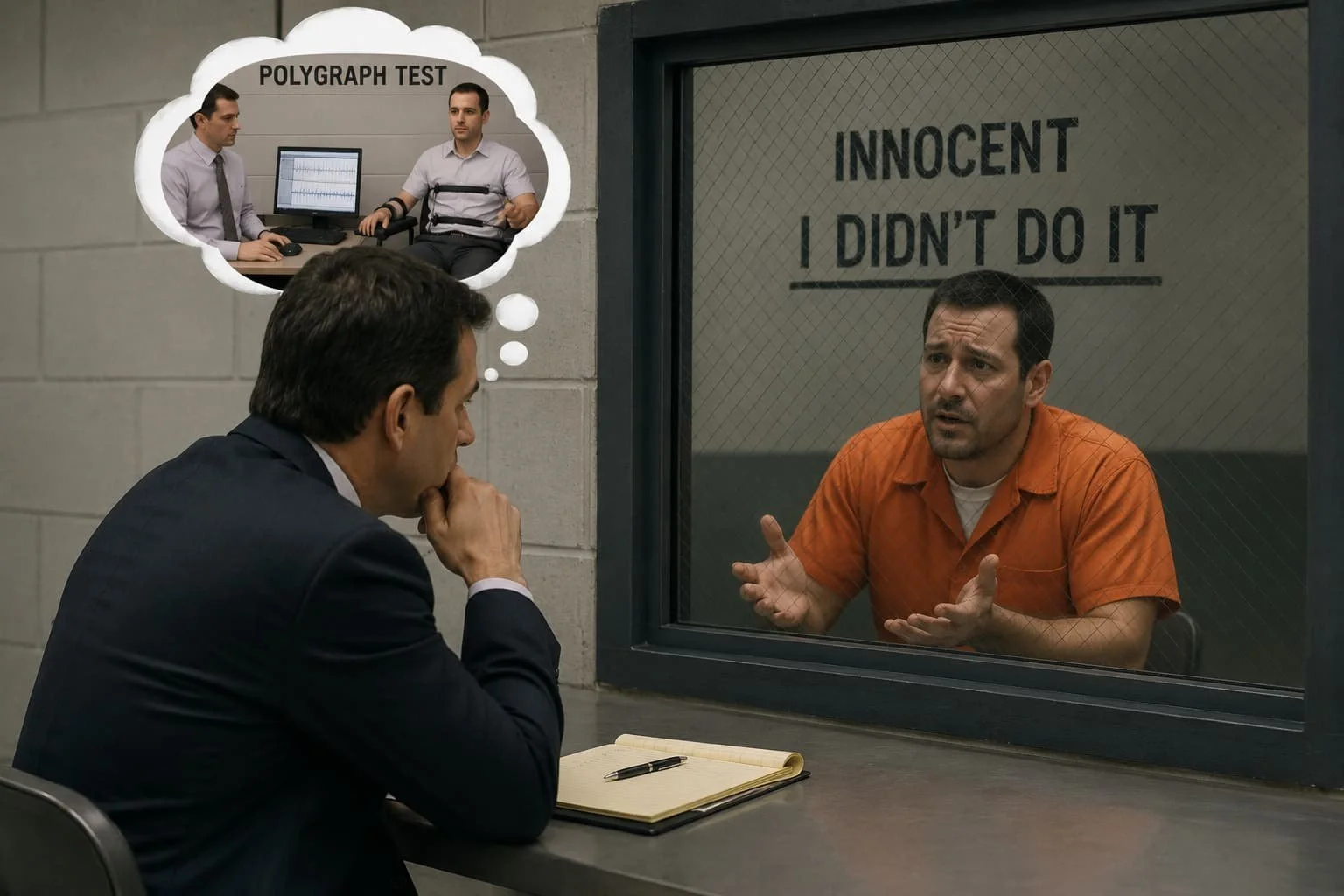
When someone is accused of a crime, the stakes are extremely high. A criminal allegation can affect a person’s freedom, reputation, career, family, and future. In many situations, there is limited physical evidence, conflicting statements, or unanswered questions that investigators, attorneys, and courts struggle to resolve. In these cases, a properly conducted polygraph examination can become a valuable investigative and credibility assessment tool.
What Is a Polygraph Test?
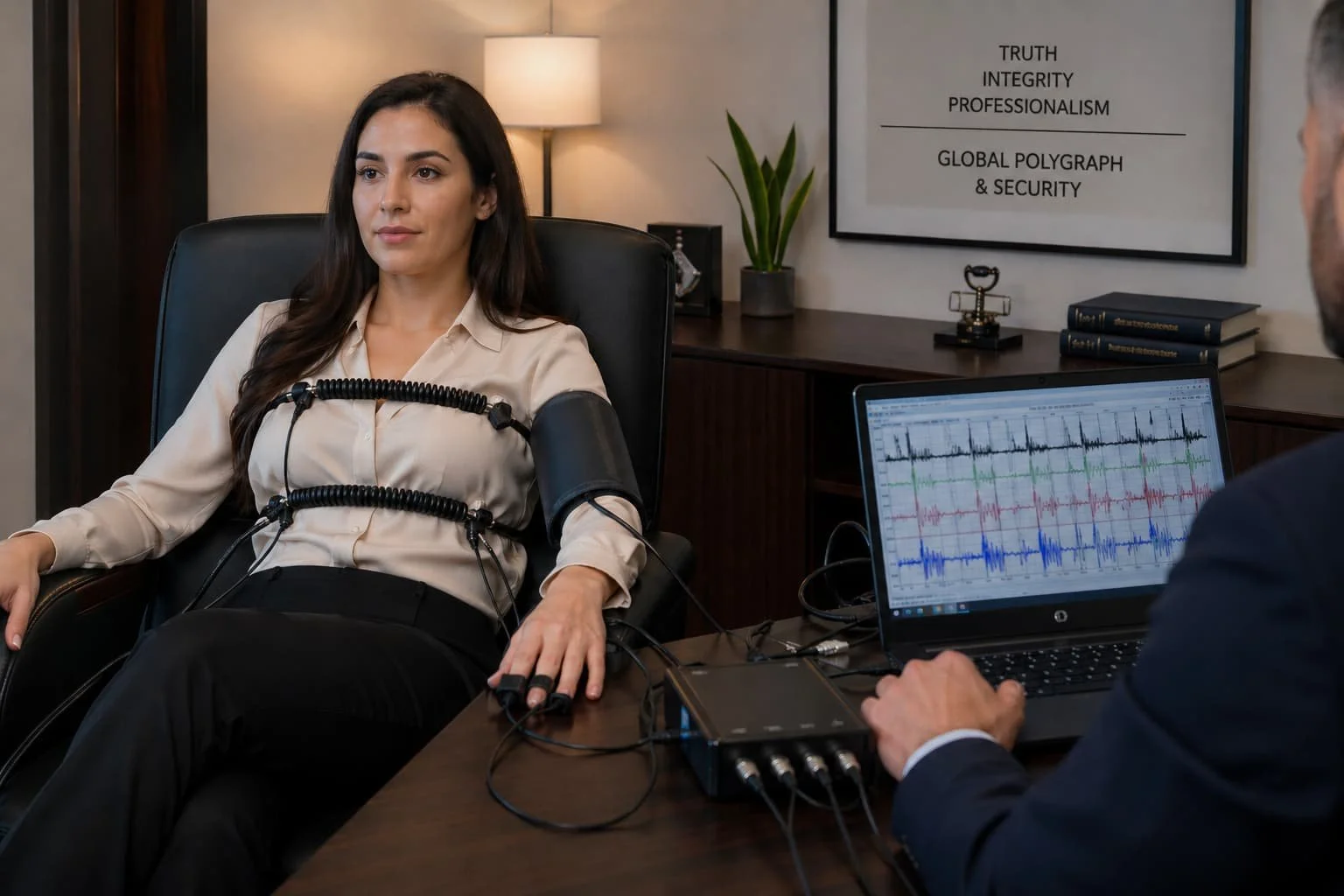
A polygraph examination is a forensic procedure designed to assess whether a person is being truthful while answering specific questions. During the examination, physiological responses are monitored and recorded, including:
, Respiration
, Cardiovascular activity
, Electrodermal activity, commonly known as sweat gland response
, Additional movement or countermeasure monitoring
The test is conducted by a trained and experienced polygraph examiner who analyzes physiological reactions in response to carefully structured questions.
Contrary to common misconceptions, the polygraph machine itself does not “detect lies.” The examiner evaluates the examinee’s physiological responses and behavioral presentation within a scientifically structured testing process.
The Role of Polygraph Testing in Criminal Investigations
Polygraph examinations are widely used in criminal investigations across the United States and internationally. Law enforcement agencies, attorneys, probation departments, and private investigators often utilize polygraph testing to assist in:
, Verifying statements
, Identifying deception
, Eliminating innocent suspects
, Supporting investigative direction
, Corroborating testimony
, Encouraging disclosures or confessions
, Assisting defense attorneys in case evaluation
In many criminal cases, there are situations where evidence alone does not provide a complete picture. A polygraph examination may help investigators focus resources more effectively and may help attorneys evaluate the credibility of a client or witness.
Polygraph Testing for Criminal Defense
One of the most important uses of polygraph testing is within criminal defense strategy. Defense attorneys may request an independent polygraph examination when a client maintains innocence and wishes to demonstrate credibility.
A professionally administered polygraph examination may assist by:
, Supporting plea negotiation discussions
, Assisting attorneys in evaluating case strategy
, Strengthening mitigation presentations
, Providing investigative leads
, Helping establish credibility during pretrial negotiations
, Encouraging further investigation into alternative suspects or scenarios
In some situations, prosecutors may reconsider aspects of a case when credible polygraph results are combined with other supporting evidence.
Can Polygraph Results Be Used in Court?
The admissibility of polygraph evidence varies by jurisdiction. In many courts, polygraph results are not automatically admissible as evidence. However, there are important exceptions.
Some jurisdictions allow polygraph evidence when both parties stipulate to its admissibility before the examination. In other situations, polygraph findings may be used indirectly during investigations, negotiations, probation matters, or administrative proceedings.
Even when not admissible in court, polygraph examinations often play a significant behind the scenes role in criminal investigations and legal strategy.
The Importance of Examiner Experience
The quality and credibility of a polygraph examination depend heavily on the examiner’s training, methodology, and experience. A properly conducted examination requires:
, Thorough pretest interviewing
, Proper question formulation
, Professional testing protocols
, Advanced chart analysis
, Understanding of psychological and physiological factors
, Strict ethical standards
An inexperienced or poorly trained examiner can compromise the value of the examination and potentially create misleading results.
When selecting a polygraph examiner for criminal matters, attorneys and clients should look for examiners with extensive experience in forensic and criminal case testing.
Common Criminal Cases Where Polygraph Testing Is Used
Polygraph examinations are commonly utilized in cases involving:
, Theft and fraud
, Assault allegations
, Sexual offense allegations
, Domestic violence disputes
, Employee misconduct investigations
, False accusation claims
, Homicide investigations
, Drug related offenses
, Probation and parole compliance matters
Each case requires a customized approach based on the allegations, available evidence, and investigative objectives.
Misconceptions About Polygraph Testing
There are many myths surrounding polygraph examinations, often influenced by movies and television.
Myth: Polygraph tests are 100% accurate
No forensic tool is perfect. However, properly administered modern polygraph examinations can achieve high levels of accuracy when conducted by qualified professionals using validated techniques.
Myth: Nervous people automatically fail
Most examinees are nervous during a criminal examination, including truthful individuals. Nervousness alone does not determine the outcome.
Myth: Polygraph tests can easily be beaten
Attempts to manipulate or defeat a professionally conducted examination are often detectable by experienced examiners and specialized monitoring systems.
The Human Factor in Criminal Investigations
Criminal investigations often involve fear, stress, emotional trauma, and conflicting narratives. Polygraph testing can provide an additional layer of insight when determining credibility and investigative direction.
For innocent individuals facing serious allegations, a credible polygraph examination may offer an opportunity to support their claims of innocence. For investigators and attorneys, it may provide valuable information that assists in reaching the truth more efficiently.
Final Thoughts
Polygraph testing is not a magic solution, nor is it a substitute for evidence and proper investigation. However, when conducted professionally and ethically, it remains one of the most valuable credibility assessment tools available in criminal related matters.
Whether used by law enforcement, defense attorneys, private investigators, or individuals seeking to demonstrate truthfulness, the polygraph examination continues to play an important role in modern criminal investigations and legal strategy.
When facing a serious criminal allegation, working with a qualified and experienced polygraph examiner can make a meaningful difference in the investigative process and overall case evaluation.